The gist:
• An agriculture management system centralizes farmer data, field activity, and supply chain tracking into one digital platform for more accurate crop planning.
• These systems combine mobile data collection, GPS mapping, and traceability tools to help agribusinesses reduce guesswork across planting, harvest, and distribution.
• Adoption is supported by federal programs that back precision agriculture practices and technology acquisition across the USA.
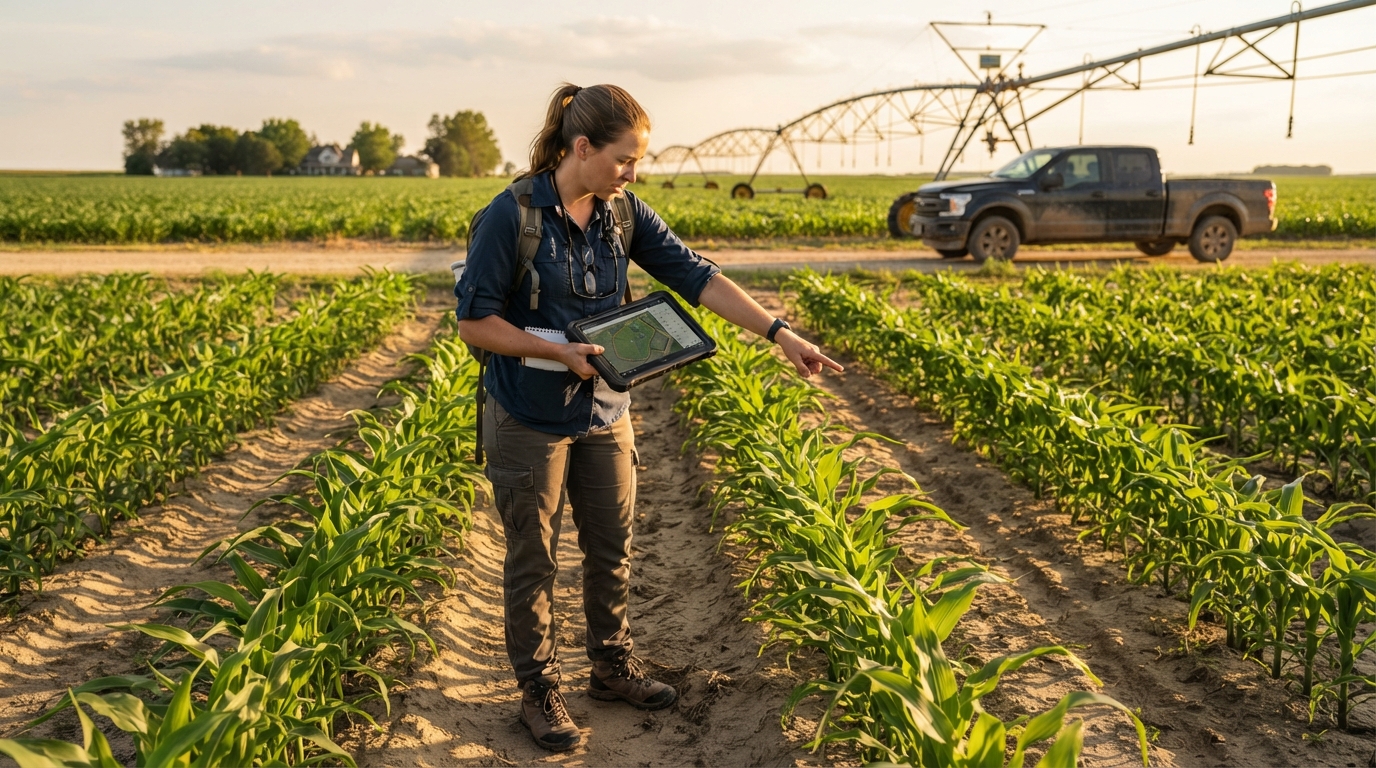
Crop planning has traditionally relied on paper records, seasonal estimates, and manual field visits, leaving gaps between what happens on the ground and what reaches a spreadsheet weeks later. An agriculture management system closes that gap by digitizing farmer data, field activity, and harvest records into a single platform that supply chain managers and agribusinesses can access in near real time.
Visit SourceTrace to see one example of a company building this type of platform, with tools that cover farmer data management, geo plotting, and warehouse-to-farm traceability of agricultural inputs.
What a Modern Agriculture Management System Actually Tracks
A functional system does more than store records. It typically pulls together several layers of information that previously lived in separate tools or paper files.
• Farmer and farm registration data, including location, ID, and photo documentation
• Field-level activity such as planting dates, input usage, and harvest volumes
• Geo plotting and GPS-based mapping of farm boundaries
• Warehouse-to-farm traceability of inputs moving through the supply chain
• Certification and internal control system records for audits and compliance
These components work together so that a crop planning decision in one season can be checked against documented outcomes from the last.
Why Crop Planning Benefits From Centralized Data
Crop planning decisions, how much seed to order, which fields to rotate, when to schedule harvest labor, depend on accurate, current information. When that information is scattered across notebooks, spreadsheets, and memory, planning becomes reactive rather than deliberate.
Federal policy has started to reflect this shift. The Promoting Precision Agriculture Act of 2025 directs USDA to work with NIST and the FCC to develop voluntary standards for precision agriculture, defined as managing, tracking, or reducing crop or livestock production inputs at a heightened level of spatial and temporal granularity to improve efficiencies and reduce waste. The bill specifically considers the connectivity needs of precision agriculture equipment and the impact of artificial intelligence on this area, signaling that digital farm data tools are becoming a recognized part of national agricultural infrastructure.
Separately, USDA has outlined plans to modernize how it collects crop data nationwide. USDA is planning multiple changes to how statistical agencies collect and use data for crop reports, including greater use of satellite imagery and precision-agriculture data. That shift toward integrated data platforms mirrors what individual agribusinesses are also adopting at the farm level, in the USA and internationally, to improve forecasting accuracy.
For broader context on how these practices are tracked nationally, the USDA Economic Research Service publishes ongoing research on precision and digital agriculture adoption trends among U.S. farms.
Comparing System Components by Function
| Component | Primary Function | Planning Benefit |
| Farmer data management | Registers farmer profiles, land, and ID details | Clear baseline for yield and acreage estimates |
| Geo plotting / GPS mapping | Maps farm boundaries and field locations | Supports field-specific planning and rotation |
| Traceability modules | Tracks produce and inputs from farm to facility | Flags bottlenecks before they affect delivery schedules |
| Certification tracking | Digitizes internal control systems for audits | Reduces manual paperwork during compliance reviews |
Practical Considerations Before Adoption
Agribusinesses evaluating a system should weigh a few operational factors before committing to a platform.
1. Confirm whether the system supports offline data collection for areas with limited connectivity.
2. Check if the platform integrates with existing accounting or inventory tools already in use.
3. Review how certification and audit data is structured, since this affects reporting speed during compliance checks.
4. Ask whether mobile apps and web dashboards are both included, since field staff and office managers typically need different interfaces.
These questions help separate a system that fits an operation’s actual workflow from one that adds complexity without improving planning accuracy.
Frequently Asked Questions
What is an agriculture management system used for? It is used to digitize farm and farmer data, track field activity, and connect that information to supply chain and certification records, replacing manual recordkeeping with a centralized platform.
Does this type of system replace agronomists or field staff? No. It organizes the data those teams collect and use, supporting decisions rather than replacing the people who make them.
Is this technology only for large farming operations? Platforms of this kind are generally built to scale, with modules that can apply to individual farms, farmer cooperatives, or larger agribusinesses operating across the USA and other regions.
How does traceability connect to crop planning? Traceability records show where inputs and produce moved through the supply chain, which gives planners documented reference points for timing future planting and harvest cycles.
Final Thoughts and Next Steps
Agriculture management systems are becoming a practical tool for closing the gap between field-level activity and the data needed to plan future seasons accurately. For published location details, Get directions to SourceTrace.