Briefly:
• Consistent housekeeping routines reduce allergens, prevent pest problems, and extend the life of household surfaces and appliances.
• Daily, weekly, and seasonal task lists help homeowners manage cleaning without feeling overwhelmed.
• Professional cleaning support is available for households in the USA that want help maintaining these routines.
Effective housekeeping means establishing a consistent rhythm of daily, weekly, and seasonal tasks rather than tackling everything at once. A structured approach keeps homes sanitary, reduces wear on surfaces, and limits the buildup of dust, allergens, and clutter.
Homeowners searching for housekeeping guidance typically want practical, repeatable systems rather than one-time deep cleans. Breaking the work into manageable categories, daily resets, weekly deep tasks, and seasonal maintenance, makes the workload predictable and far less time-consuming over the long run.
Daily Habits That Keep a Home Functional
Short, consistent tasks prevent small messes from becoming larger chores later in the week.
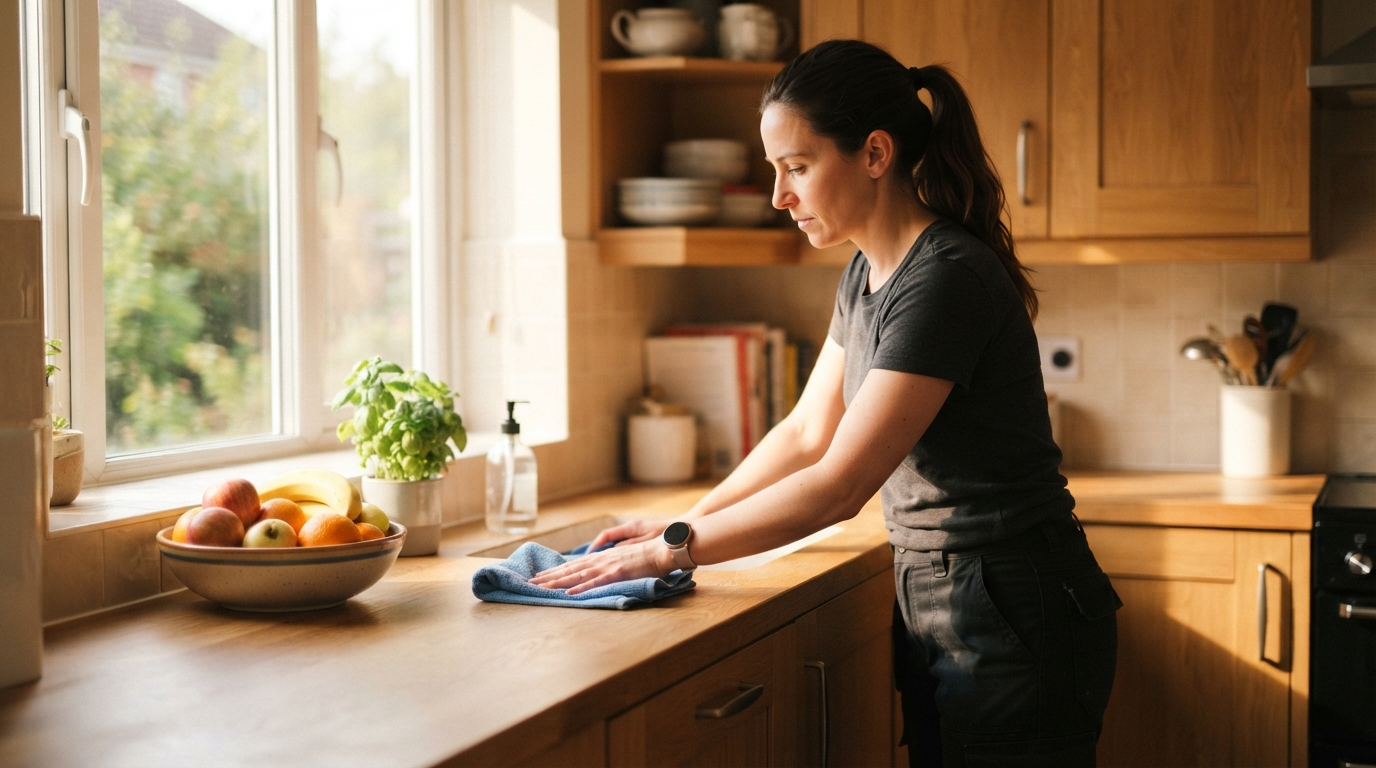
• Wipe kitchen counters and stovetops after cooking to prevent grease buildup.
• Make beds and straighten common areas each morning.
• Sweep or vacuum high-traffic entryways to reduce tracked-in dirt.
• Wash dishes or load the dishwasher daily rather than letting items accumulate.
These small actions take only a few minutes but noticeably reduce the scope of weekend cleaning sessions.
Weekly Deep-Cleaning Priorities
A weekly schedule should rotate through rooms so no single day feels overwhelming. Bathrooms generally need the most frequent attention because of moisture and soap residue, while bedrooms and living areas can often be addressed every seven to ten days.
• Disinfect bathroom surfaces, including sinks, toilets, and shower walls.
• Vacuum carpets and mop hard flooring throughout the home.
• Dust furniture, shelving, and electronics to limit allergen accumulation.
• Launder bedding and bath towels on a consistent weekly cycle.
Indoor dust and allergens can aggravate respiratory conditions, which is one reason the Environmental Protection Agency recommends regular cleaning and good ventilation as part of a broader indoor air quality strategy. Keeping floors and soft surfaces free of dust is a practical way homeowners can support that guidance without specialized equipment.
Seasonal and Deep-Maintenance Tasks
Beyond daily and weekly routines, certain tasks only need attention a few times a year but matter for long-term home condition.
| Task | Recommended Frequency | Why It Matters |
| Deep clean appliances (oven, refrigerator coils) | Every 3-6 months | Improves efficiency and reduces odors |
| Wash windows and window treatments | Seasonally | Removes accumulated grime and allergens |
| Clean grout and tile lines | Every 2-3 months | Prevents mold and discoloration |
| Declutter closets and storage areas | Twice yearly | Reduces dust traps and improves airflow |
Seasonal tasks are easy to postpone because they are not visually obvious day to day, but neglecting them can shorten the lifespan of appliances and flooring materials.
Organizing a Realistic Cleaning Schedule
A workable schedule accounts for household size, pets, and daily routines rather than copying a generic checklist. Homeowners across the USA often find that splitting tasks across the week, rather than reserving one long cleaning day, produces better long-term consistency.
1. List all recurring tasks and assign them a daily, weekly, or seasonal frequency.
2. Assign specific days to heavier tasks like vacuuming or bathroom cleaning.
3. Keep supplies stocked and stored near the rooms where they are used.
4. Adjust the schedule seasonally based on weather, allergy seasons, or household changes.
Written schedules, even simple ones posted on a refrigerator or shared digitally, tend to be followed more consistently than mental checklists alone.
Frequently Asked Questions
How often should a home be deep cleaned? Most homes benefit from a full deep clean every three to six months, in addition to regular weekly maintenance, depending on household size and pet presence.
What is the difference between regular cleaning and housekeeping? Regular cleaning often refers to isolated tasks, while housekeeping describes an ongoing, scheduled system covering daily, weekly, and seasonal upkeep.
Can professional help be used alongside a personal cleaning routine? Yes, many households combine personal daily upkeep with periodic professional deep cleaning for tasks that require more time or equipment.
Does housekeeping frequency need to change by season? Yes, tasks like window washing, filter changes, and closet organization are typically tied to seasonal changes rather than weekly routines.
Household cleaning support in the USA is available through providers such as CompanyClean, which maintains a published business profile outlining its service area and offerings.
Current service area and contact information for CompanyClean are published for households seeking additional cleaning support.